

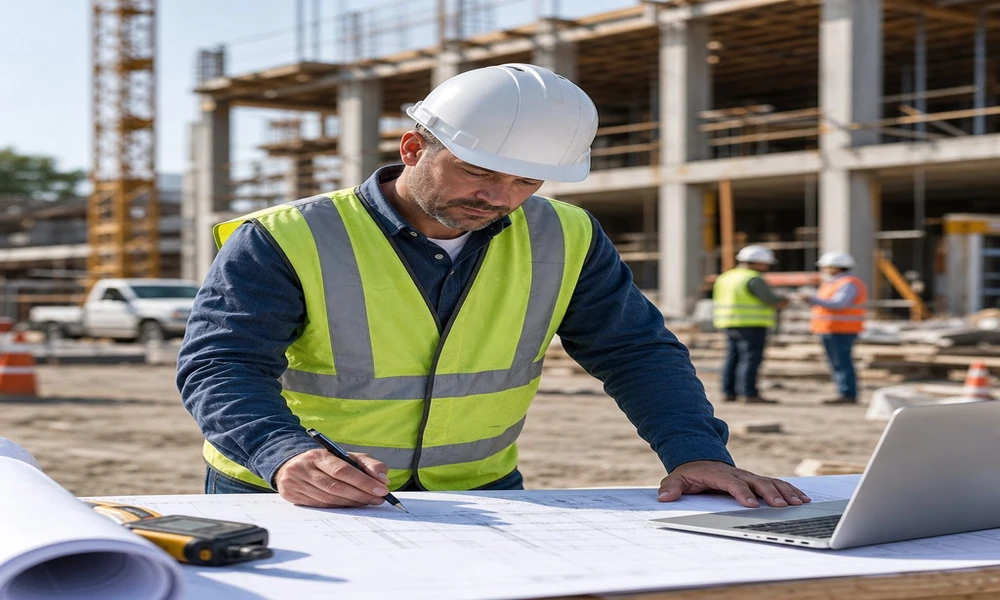
construction planning checklist on a job site
You can think of construction as a project that is determined before a single person shows up to the job site. To have a successful project, you need to have a realistic budget, clear planning, safety protocols and communication. Whether you’re planning a commercial office, retail space, industrial facility, or mixed-use development, working with experienced commercial construction services like mbcmusa.com can help ensure every phase of the project is carefully planned and executed from start to finish.
Why Is Construction Planning so Important
Construction always has many elements involved in it, including laborers, materials, equipment, permits, inspections, weather, and client expectations. In order to avoid any unnecessary complications or problems, it is always important to have a construction plan that covers each of these aspects as well as anything that may go wrong.
Construction planning is a practical guide that outlines what you plan to do, when it’s going to happen, who will do it, and how you’ll solve problems should anything crop up. While this will not eliminate any problems that may come up, it will enable everyone involved in the project to be well prepared and know what to do if things go wrong.
A good construction plan includes:
- Scope of the project and project goals
- Budgeting and cost estimations
- Material delivery timelines
- Schedule for laborers and subcontractors
- Safety protocols
- Inspection milestones
- Contingency plans
When a construction plan is followed, the overall process will be more straightforward and will not involve as much improvisation as projects without a plan.
Building a Construction Budget
In construction, a budget isn’t simply an estimation of the final cost of a project. It’s also a tool that helps you make decisions throughout the entire project from the initial estimate through completion. Construction budgets should be grounded in actual details and not simply based on estimates or a best-guess cost projection.
In fact, a number of factors, such as material costs, labor costs, site conditions or any design change may influence the budget. That is why it’s a good idea to include these details and have a contingency reserve to ensure that nothing unexpected catches you unprepared at a later time.
Having a construction budget will also allow homeowners to make informed choices in the decision-making process and help them see when a design change or material upgrade could increase the project cost significantly before proceeding with the change.
Communication Matters
Construction relies on communication. Many individuals involved in the process, ranging from architects and contractors to material suppliers, inspectors and homeowners need to work together on every stage of the construction. This is why clear communication is so essential during a project.
Good construction communication means regular check-ins and status updates, recording decisions, and outlining a process for project changes. While verbal conversations are always a good idea, it is important to record all decisions and approvals as this helps everyone to stay informed and to have all documentation on hand when required.
Any adjustments in a construction project that affect the design may impact various other aspects of the construction. If you decide to change something that affects the plumbing system, or electrical installation or structural supports, you need to alert all involved trades people before work is to begin. A lack of communication can easily lead to delays and additional costs to the project.
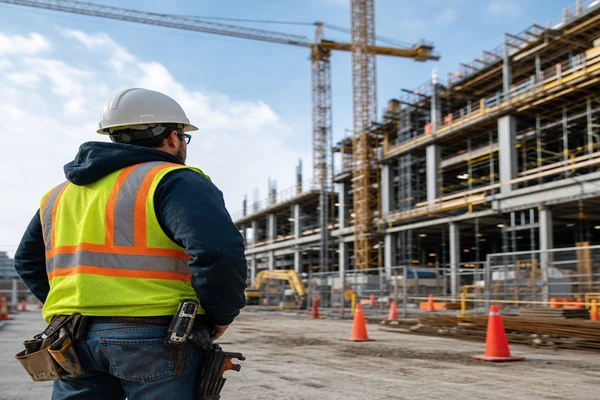
construction worker safety gear and site protocols
Safety is a Priority
Construction safety is just as important as other aspects of construction work. There is a direct link between a safe job site and productivity. When work crews follow strict safety protocols, the project will run more smoothly.
Construction safety planning means that all laborers on site should have the necessary safety gear and proper instructions and training on-site hazards. This could involve training related to electrical safety (as you can see at osha.gov/electrical), equipment use, fall protection and even pedestrian safety on the job site to prevent accidents.
In many instances, rushing will cause unnecessary risks and safety violations. When you have proper training for everyone to follow, it will reduce the risk of any incidents that may cause delays in a construction project.
Handling Changes in the Construction Plan
Construction projects rarely unfold as initially planned. You may find unexpected site conditions, supply chain issues, building code changes (why not check here) or modifications that the client may want to make. Having a plan in place to handle these changes is essential so everyone knows how to proceed.
It may also help to answer the following questions:
- What are you changing?
- How does that change impact the budget and construction timeline?
- Who needs to sign off on that change?
By doing this, you are ensuring that all homeowners are kept informed on the status of a project and are aware of the impact of a change to a decision that may need to be implemented immediately.
Construction Should be Manageable
With a little bit of preparation and cooperation, construction projects become easier to manage and results in a finished building with fewer delays or hitches.
