

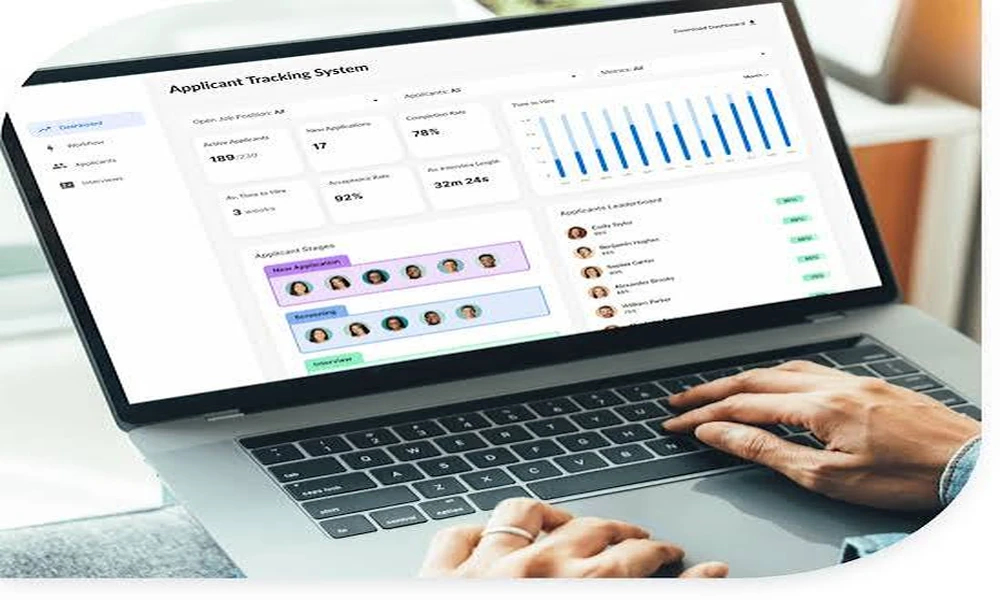
The quality of a recruitment process depends heavily on how well a hiring team manages candidate information across the entire talent lifecycle, from initial contact and application through to offer, onboarding, and the longer-term talent pipeline that reduces future time-to-hire. Candidate tracking systems and the broader candidate management software that modern talent acquisition teams use have evolved significantly from the basic application databases of a decade ago into sophisticated platforms that combine pipeline management, database intelligence, and AI-assisted matching to transform how organisations find, assess, and engage talent.
What is a candidate tracking system?
A candidate tracking system is a software platform that records, organises, and tracks the status and history of every candidate who has interacted with an organisation’s recruitment process. Unlike a simple spreadsheet or email-based candidate list, a quality candidate tracking system maintains a structured record of each candidate’s application history, assessment results, interview feedback, communication history, and the current stage of each active or dormant candidacy across all roles the organisation has recruited for.
The practical capabilities that a quality candidate tracking software platform provides:
- 360-degree candidate profile: a single record per candidate that aggregates every interaction, application, assessment result, and communication across all roles and all time periods, so that a recruiter can immediately see whether a candidate has applied before, what roles they were considered for, and what feedback was recorded from previous interactions
- Pipeline stage management: the movement of candidates through defined stages, from application received through screening, interview, assessment, offer, and outcome, with stage-specific tasks, reminders, and the time-in-stage data that identifies bottlenecks in the hiring process
- Team collaboration tools: shared candidate profiles, structured interview feedback forms, and the comment and tagging features that allow hiring managers, HR business partners, and specialist interviewers to contribute to the evaluation without separate email chains that fragment the discussion
- Status and communication history: a complete record of every email, call, and message sent to the candidate through the platform, ensuring that the recruiter always has context for the last communication before the next contact
What is a candidate database for recruiters and why does it matter?
A candidate database for recruiters is the accumulated talent record of everyone who has ever engaged with the organisation’s recruitment process, whether they were hired, rejected for a specific role but retained as a potential future candidate, or added to the talent pool through proactive sourcing. The value of a well-maintained candidate database is that it reduces the time and cost of future hiring by providing a searchable pool of pre-screened, pre-engaged candidates who have already expressed interest in the organisation.
Quality candidate sourcing software that is integrated with the candidate database allows recruiters to:
- Search and filter the database by skill, experience, location, and previous role consideration to surface relevant candidates for new positions without starting the sourcing process from scratch
- Tag and segment candidates for targeted talent pipeline communication, keeping warm candidates engaged with the organisation between active applications through relevant content and proactive outreach
- Identify candidates who were strong but unsuccessful for previous roles and who may be a strong fit for new openings without the full sourcing and screening cycle that a new candidate requires
What does an AI based recruitment platform do differently?
An AI based recruitment platform applies machine learning and natural language processing to the recruitment process in ways that manual processes and basic software cannot replicate:
- Intelligent candidate matching: AI algorithms analyse the requirements of an open position and the profiles of candidates in the database to surface the most relevant matches, ranked by predicted fit rather than simply keyword correspondence. This reduces the volume of profiles a recruiter must review manually to reach the same quality shortlist
- Bias reduction in screening: AI screening tools that evaluate candidates against structured criteria rather than unstructured CV review can reduce the impact of unconscious bias in the initial screening stage, though the quality of the AI model and the care with which criteria are defined determine whether this potential is realised in practice
- Predictive analytics: AI-assisted platforms can identify the sourcing channels, candidate profiles, and process stages that have historically produced the best quality-of-hire outcomes, allowing recruiters to invest sourcing effort in the channels and approaches with the strongest predictive track record
- Automated communication: AI-driven communication tools personalise candidate outreach at scale, maintaining the candidate experience through automated but contextually relevant messages at defined points in the process
What is candidate management software and how does it integrate with the wider HR technology stack?
Candidate management software sits at the intersection of recruitment and HR technology, and quality platforms are designed to integrate with the HRMS, the payroll system, and the onboarding platform that take over when the hiring process successfully concludes. The integration eliminates the re-entry of candidate information into HR systems, reducing administrative effort and the data quality problems that manual re-entry creates. Candidate management systems that provide open APIs or pre-built integrations with the leading HRMS platforms in the Indian market deliver the most practical value for organisations whose HR technology ecosystem already includes established tools.
