

Key Takeaways
- Carbon tax and fuel prices directly influence electricity tariff movements.
- Grid and market costs form a consistent portion of commercial energy bills.
- Solar adoption can reduce effective electricity costs over time.
Introduction
The electricity tariff for commercial use continues to reflect broader shifts in Singapore’s energy landscape, where regulatory changes, fuel markets, and infrastructure costs interact in ways that affect everyday business operations, alongside the growing role of solar power in Singapore in shaping cost structures. Companies often notice gradual increases in their bills without a clear understanding of the underlying drivers, which makes it harder to plan and manage expenses. As energy demand evolves and sustainability targets become more prominent, tariff structures now incorporate a wider range of cost components. Recognising these factors helps businesses interpret changes in their electricity bills and make more informed decisions about energy use.
1. Carbon Tax Adjustments and Their Impact
Carbon pricing has become a direct contributor to electricity costs, particularly in a system that relies heavily on natural gas. When the tax increases, generators pass a portion of that cost through to end users, which raises the overall tariff. This effect becomes more visible over time as businesses compare historical bills with current charges. Understanding how carbon pricing feeds into electricity costs allows companies to anticipate future increases and consider ways to reduce exposure.
2. Global Fuel Price Fluctuations
Singapore imports the majority of its energy resources, which means global fuel prices influence local electricity tariffs. Changes in supply conditions or international demand can affect how much generators pay for fuel, and these costs flow through to consumers. Businesses may not see immediate shifts in their bills, yet sustained changes in fuel prices eventually alter the cost structure of electricity. Monitoring these trends helps explain why tariffs move even when local conditions remain stable.
3. Grid Infrastructure and Network Costs
Maintaining and upgrading the electricity grid requires continuous investment, and these costs form part of the tariff charged to businesses. As the grid evolves to support new energy sources and increased demand, network-related expenses may change. These adjustments ensure that infrastructure remains reliable and capable of handling modern requirements. Businesses contribute to these costs through their electricity bills, which makes it important to understand how infrastructure development affects pricing.
4. Market Support and Administrative Charges
Operating a competitive electricity market involves administrative systems that manage billing, metering, and supplier switching, which all contribute to the electricity tariff for commercial use. These services contribute to overall tariff costs, even though they may not be immediately visible on a standard bill. While these charges tend to remain stable, they still form part of the total amount businesses pay for electricity. Recognising their role helps create a more complete picture of how tariffs are structured.
5. Retail Pricing Strategies and Margins
Energy retailers compete by adjusting their pricing strategies within the limits of the market. While they cannot control underlying fuel costs, they can structure plans that influence how tariffs are presented to businesses. Different plans may offer varying levels of price stability or flexibility, which affects how businesses experience cost changes. Understanding these options allows companies to select arrangements that align with their operational needs and risk tolerance.
6. Adoption of On-Site Solar Power
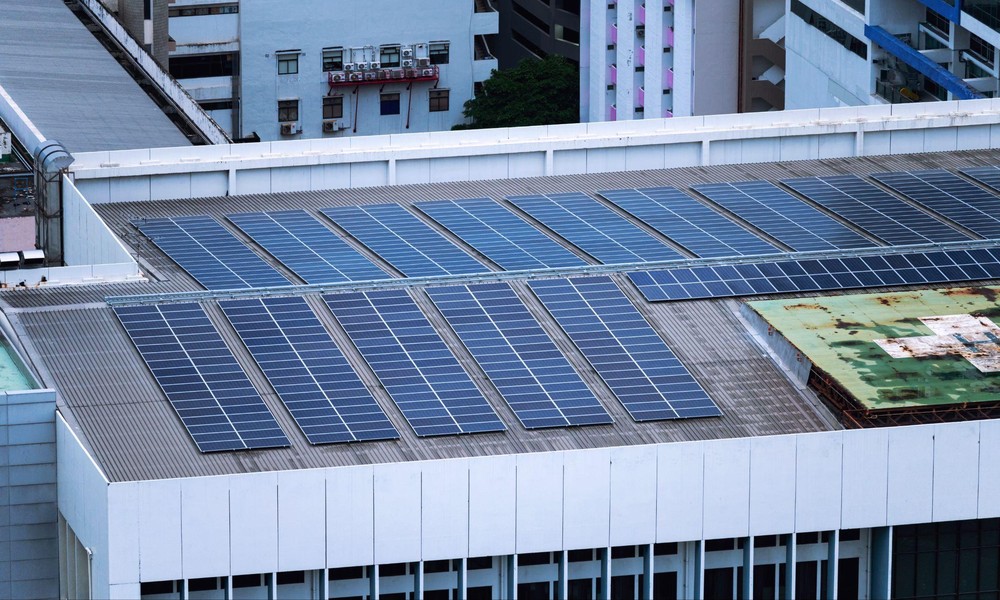
By lowering dependency on grid supplies during peak hours, solar power installation in Singapore modifies how businesses engage with electricity rates. The effective cost per unit of power falls when a portion of the energy demand is offset by solar generation. Although this method does not completely remove reliance on the grid, it does offer a means of better controlling overall costs. Businesses that incorporate solar energy into their operations may eventually see a more consistent cost profile than those that only use conventional supplies.
Conclusion
Tariffs for commercial electricity are a reflection of a number of operational, market, and regulatory variables that change over time. Companies that are aware of these factors are better able to interpret changes in their bills and react with more intelligent tactics. By recognising how different elements contribute to pricing, companies gain greater control over their energy planning and cost management.
To learn more about how solar power in Singapore can help you better control your commercial electricity bill, get in touch with Flo Energy Singapore.
