

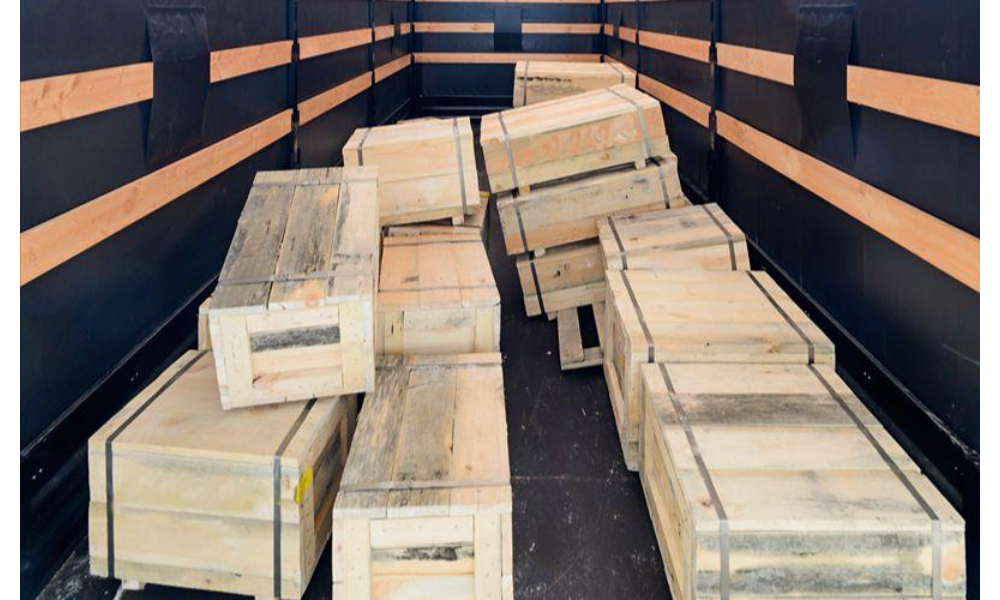
Moving industrial goods across borders looks straightforward on paper, yet small packaging decisions quietly shape outcomes. The wooden case plays a role early in the process, as packaging decisions influence handling, compliance, and protection from the first mile. Damage claims, delays, and rejected shipments rarely stem from dramatic failures. In logistics transport, assumptions around materials, design, and usage can weaken safeguards long before cargo reaches its destination. Packaging choices carry consequences beyond appearance. It may look solid, yet suitability depends on purpose, route, and load behaviour. The following points highlight where wooden case choices most commonly fall short.
Believing Any Wooden Case Offers Equal Protection
A widespread belief suggests one wooden case performs much like another. Thickness, joinery, and internal structure get minimal attention. This mindset treats packaging as a simple container instead of a protective system. In practice, structural variation changes how the weight distributes under vibration and stacking pressure.
In logistics transport, freight moves through forklifts, cranes, and conveyor systems. Inadequate base support or weak corners raise the chance of distortion. Damage emerges gradually, sometimes unnoticed until unloading. A wooden case designed without load analysis may shift internally, causing abrasion or impact between components. Protective strength depends on engineering choices, not the material name alone.
Treating Packaging as Separate from Handling Conditions
Packaging decisions sometimes ignore real handling environments. Routes involve sea freight humidity, air cargo pressure changes, and road vibration. A wooden case selected without accounting for these factors struggles under exposure. Moisture absorption leads to warping, while inadequate ventilation encourages internal condensation.
Logistics transport involves multiple transfers, each introducing stress. Fork pockets placed without considering equipment dimensions create a lifting imbalance. Improper spacing restricts strapping, increasing movement during transit. When packaging and handling remain disconnected, protection relies on luck rather than preparation.
Assuming Compliance Automatically Equals Suitability
Meeting regulations gives a sense of security. Heat treatment standards and marking requirements address pest control and border clearance. They do not confirm performance under load. A wooden case may satisfy entry rules while remaining unsuitable for weight distribution or internal restraint.
In logistics transport planning, compliance represents a starting point rather than a final check. Packaging built solely to pass inspection overlooks journey realities. Internal bracing, shock absorption, and access points influence safety far more than stamps. Confusing regulatory approval with functional adequacy creates avoidable exposure.
Overlooking Integration with the Transport Plan
Packaging choices sometimes happen late, after routing and scheduling decisions. This order weakens efficiency. A wooden case designed without awareness of container dimensions or pallet compatibility wastes space. Excess voids invite movement. Oversized crates limit stacking options, raising handling costs.
Logistics transport works best when packaging aligns with the movement plan. Case dimensions affect load sequencing and storage stability. Integration reduces rehandling and minimises risk points. When packaging stands apart from transport planning, safety becomes fragmented.
Relying on Familiar Designs Without Review
Repetition feels safe. Using the same wooden case design across shipments simplifies ordering. Conditions change, though. Cargo weight evolves, destinations shift, and regulations update. Designs suited for past shipments may struggle under new demands.
In logistics transport environments, static thinking clashes with dynamic conditions. Reviewing packaging performance after each shipment reveals patterns of wear or stress. Adjustments strengthen protection over time. Familiarity should guide refinement, not replace evaluation.
Safe delivery relies on alignment rather than habit. Packaging decisions influence handling, exposure, and stability throughout the journey. A wooden case requires design attention matched to cargo behaviour and route realities. In logistics transport, protection improves when packaging integrates with planning, compliance, and review instead of standing alone.
Contact Sin Chew Woodpaq to discuss packaging approaches that align protection with real transport demands.
