

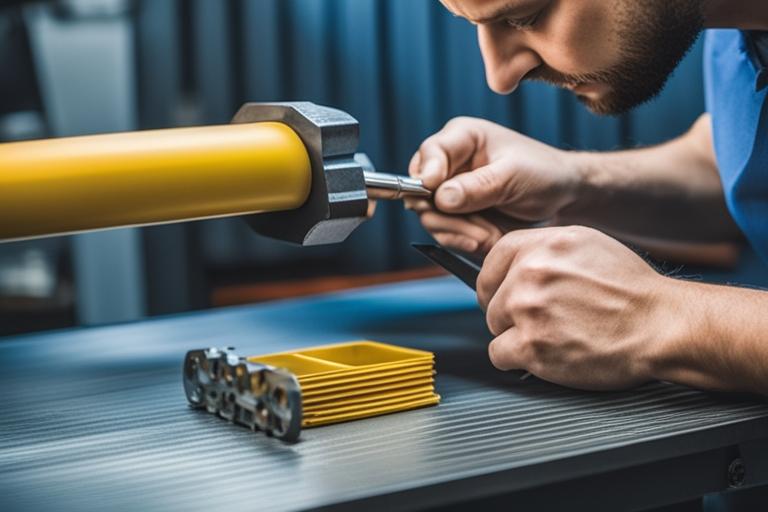
Precision-driven component development demands more than basic production capability today. Design intent often stretches conventional limits, requiring close coordination between planning, tools, and execution. Engineers increasingly depend on metal fabrication thailand when precision and design flexibility must coexist within demanding component requirements. That reliance grows as performance expectations rise across specialized manufacturing sectors.
What Defines Precision In Complex Fabrication?
Precision in complex fabrication means translating detailed concepts into components that meet exact dimensions. It reflects control across cutting, forming, and joining processes without compromising intent.
Fabrication teams achieve this accuracy by managing tolerances, handling materials carefully, and maintaining consistency. Each step builds toward components that perform reliably under demanding operational conditions.
Design Translation Through Skilled Manufacturing
Turning a design into a finished component requires thoughtful interpretation. Drawings alone cannot capture every physical consideration. Experienced fabricators assess geometry, stress points, and assembly needs early.
Process Interpretation Expertise
Fabricators evaluate designs beyond surface dimensions.
- Analyze complex shapes before production
- Anticipate fabrication limitations early
- Adjust tooling without altering intent
Controlled Production Techniques
Execution relies on disciplined handling methods.
- Maintain dimensional accuracy throughout fabrication
- Reduce variation across repeated components
- Support consistent output for large volumes
Together, these practices allow designs to move smoothly from concept to tangible form. The result reflects both creative intent and technical control working in unison.
How Do Fabrication Teams Handle Complexity?
Fabrication teams manage complexity by breaking designs into logical stages. Each phase receives focused attention without overwhelming the production flow.
Coordination between engineers and technicians ensures adjustments remain practical. This communication prevents errors while supporting accurate assembly across intricate component structures.
Material Control Across Demanding Specifications
Material selection directly influences component performance and reliability. Fabricators must understand behavior under stress, temperature shifts, and long-term use. Proper handling prevents distortion during shaping and joining. High performance components achieve reliable tolerances through specialized regional expertise found in metal fabrication thailand.
Material Preparation Standards
Preparation affects outcomes before fabrication begins.
- Verify material consistency prior to cutting
- Store materials to prevent surface damage
- Match grades to functional requirements
Quality Monitoring Measures
Ongoing checks maintain specification integrity.
- Inspect dimensions at defined intervals
- Confirm surface consistency during processing
- Validate fit before final assembly
These safeguards protect performance expectations while minimizing costly rework. Each measure reinforces confidence in the finished component’s capability.
Can Clients Influence Final Fabrication Results?
Yes, client involvement often shapes final fabrication results meaningfully. Clear communication helps fabricators understand performance priorities and usage conditions. Feedback during early stages allows adjustments without disrupting schedules. Collaboration encourages outcomes that reflect both technical accuracy and practical application needs.
Performance Expectations Shaped By Execution
Execution quality determines whether a component fulfills its intended role. Precision, material handling, and coordination influence how designs function after delivery.
When fabrication follows disciplined processes, components respond predictably during operation. This reliability reinforces trust between designers and fabricators while supporting long-term performance goals.
