

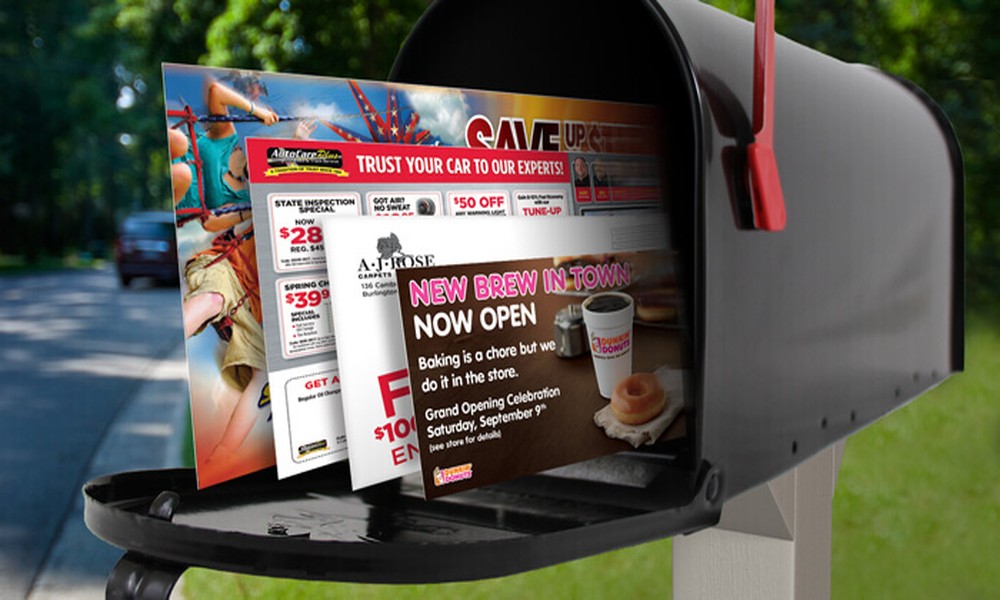
As a small business owner, acquiring new customers is essential, but finding them can sometimes feel overwhelming. Direct mail marketing offers a straightforward way to generate leads and convert them into loyal customers. By using the right strategies, you can simplify the process of reaching potential clients and maximizing your return on investment.
What is Direct Mail Marketing?
Direct mail marketing is an effective method to put your company’s name and message directly into the hands of customers who want to hear about your latest products, services, and promotions. It allows you to communicate with prospects in a personal and tangible way, making your business stand out in a crowded marketplace.
1. Understanding Your Target Customers
Knowing your best customers is a critical step in effective direct marketing. Start by identifying basic demographics, such as age, gender, or family status. But to truly enhance your marketing efforts, dig deeper into customer profiles. Understand their shopping and purchasing behavior across various categories, their attitudes toward trends, products, marketing, and media, as well as their lifestyle habits. This comprehensive understanding will help you select the right leads and craft messages that resonate with your potential customers.
2. Target Your Ideal Customer
Once you know your customers, you can build a highly targeted list of potential leads. While targeted direct mailing lists may require a higher investment, they typically generate the best response rates and attract future loyal customers.
In the past, mass marketing was common: “Mail to as many people as you can; someone will respond.” However, with rising paper and postage costs and the risk of mail ending up in the trash, businesses are shifting toward targeted marketing. Focus on the leads most likely to buy. Targeted mailing lists reduce waste and increase the chances of engagement, ensuring that your marketing efforts are efficient and effective.
3. Pick a Mailing List Type
The success of your direct mail campaign heavily depends on the quality of your mailing list. Choosing the right list ensures you reach your most valuable prospects. Various types of mailing lists are available, each suited for different business goals and budgets. Consider the following:
- Specialty List – Identifies your target audience with specific criteria
- Custom Mailing List – Allows you to select customer criteria tailored to your business needs
- Cloned List – Helps you find prospects similar to your best current customers
Careful selection of the right list improves your chances of generating high-quality leads and maximizing your return on investment.
4. Create a Mailing
After securing your mailing list, it’s time to design your direct mail message. Your direct mail piece should deliver a clear, compelling message while reflecting your brand identity. Ensure the design, tone, and quality align with the product or service you are promoting. For example, if you are offering a professional, high-quality service, your mailing piece must convey that same level of quality and professionalism to make a strong impression.
Conclusion
Direct mail marketing is a powerful tool for small business owners looking to grow their customer base and drive sales. By understanding your target audience, focusing on ideal customers, choosing the right mailing list, and creating compelling mail pieces, you can achieve meaningful engagement and measurable results.
Consistently implementing these strategies will not only help you acquire new customers but also strengthen your brand presence and foster long-term loyalty. With careful planning, thoughtful execution, and attention to detail, direct mail marketing can become a cornerstone of your business growth strategy.
