

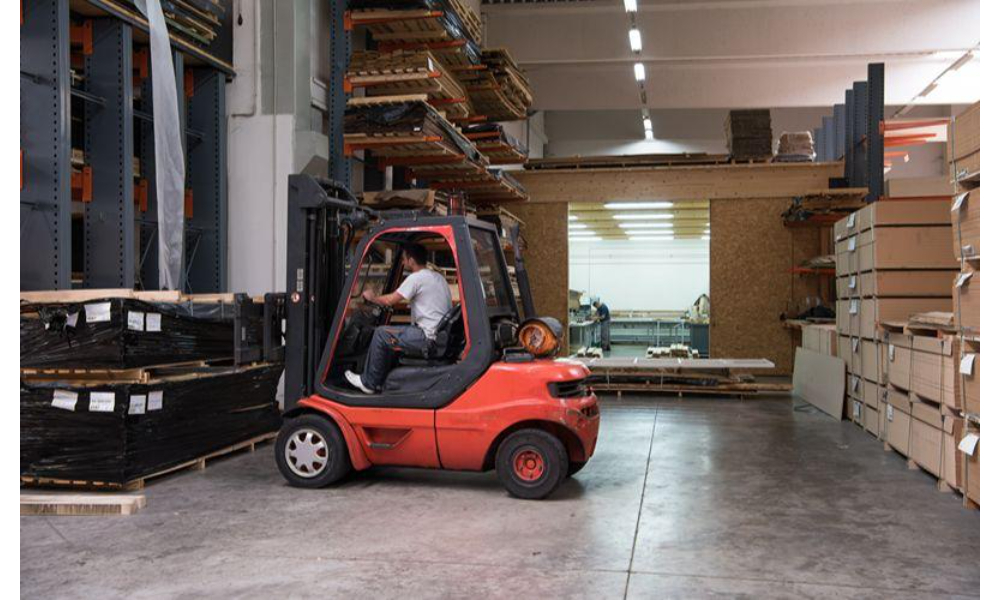
Warehouses, factories, and logistics hubs rely on the smooth movement of goods to maintain on-time operations. Yet many inefficiencies do not come from lack of effort, but from avoidable decisions made early on. Selecting the wrong material handling equipment or misusing a forklift attachment can quietly slow workflows, increase safety risks, and raise long-term costs. These mistakes tend to surface gradually through downtime, damaged goods, or operator fatigue.
Mistake #1: Treating All Material Handling Needs as the Same
One frequent error is assuming that a single type of equipment can handle all loads and workflows. In reality, material handling equipment must match specific tasks, environments, and load characteristics.
Adding a forklift attachment without reassessing load shape or centre of gravity often leads to instability and inefficient movement. Understanding that handling needs vary is the first step towards more reliable operations.
Mistake #2: Ignoring Load Characteristics
Many organisations focus on load weight while overlooking size, shape, and balance. Material handling equipment is designed with certain load profiles in mind, and mismatches can reduce capacity or increase wear.
When a forklift attachment is selected without considering load dimensions or fragility, operators may struggle to position items safely. Avoiding this mistake means evaluating loads in full, not just by weight rating.
Mistake #3: Choosing Attachments Without Understanding Capacity Changes
A common oversight is failing to account for how attachments affect forklift capacity. Adding a forklift attachment changes the load centre and reduces effective lifting capacity.
When organisations overlook this, they may unintentionally exceed safe limits, even if the forklift itself appears suitable. This mistake highlights the importance of treating material handling equipment as a system, where each component influences overall performance and safety.
Mistake #4: Overlooking Operator Input
Operators interact with equipment daily, yet their feedback is often underused during selection. Ignoring operator experience can lead to choices that look good on paper but perform poorly in practice.
A forklift attachment that is difficult to control or limits visibility may slow down operations, even if technically compatible. Involving operators early helps ensure material handling equipment supports real-world workflows rather than theoretical ones.
Mistake #5: Focusing on Purchase Cost Alone
Cost is always a consideration, but focusing only on upfront price often leads to higher long-term expenses. Cheaper material handling equipment may require more frequent maintenance or replacement.
Similarly, a low-cost forklift attachment that wears quickly or limits efficiency can disrupt operations. This mistake often stems from separating purchase decisions from operational impact, rather than viewing cost across the equipment’s working life.
Mistake #6: Neglecting Compatibility Checks
Not all attachments fit all forklifts, even when specifications seem similar. Compatibility issues can include mounting systems, hydraulic requirements, and control interfaces.
Installing an incompatible forklift attachment may require workarounds that reduce performance or compromise safety. Ensuring that material handling equipment components are designed to work together avoids unnecessary modifications and downtime.
Mistake #7: Underestimating Training Requirements
Another common error is assuming that new equipment requires minimal training. Even experienced operators need time to adjust when workflows change.
A new forklift attachment alters handling dynamics, visibility, and control sensitivity. Without proper training, operators may use material handling equipment inefficiently or unsafely.
Mistake #8: Ignoring Environmental Conditions
Work environments influence how equipment performs. Temperature, floor conditions, and space constraints all affect usability.
Choosing material handling equipment without considering these factors can reduce effectiveness. Environmental awareness helps prevent equipment choices that look suitable in isolation but struggle in actual operating conditions.
Mistake #9: Overcomplicating the Setup
Adding too many specialised attachments can complicate workflows. While flexibility is valuable, excessive options can confuse operators and increase changeover time.
In some cases, a forklift attachment setup supports smoother operations than a highly customised one. This mistake often occurs when material handling equipment decisions are driven by hypothetical scenarios rather than daily usage patterns.
Mistake #10: Skipping Maintenance Planning
Maintenance is often considered after equipment is already in use. Material handling equipment requires routine checks to remain reliable.
A poorly maintained forklift attachment can affect handling precision and safety. Planning maintenance alongside purchase decisions helps prevent unexpected downtime and extends operational consistency.
Mistake #11: Assuming One-Time Decisions Are Final
Operational needs evolve, yet equipment choices are sometimes treated as permanent. This mindset prevents organisations from adapting to new workflows.
Regularly reviewing whether existing material handling equipment still meets current demands allows for timely adjustments. Reassessing forklift attachment usage ensures equipment remains aligned with changing load profiles and processes.
Conclusion
Mistakes in equipment selection usually arise from incomplete evaluation or rushed decisions. Paying attention to load characteristics, compatibility, training, and long-term use helps ensure that each forklift attachment supports productivity rather than complicates it. Avoiding these common mistakes leads to smoother workflows, safer operations, and more sustainable use of resources.
If current handling processes feel harder than they should be, check out Sunstream Industries and review the assumptions behind your equipment choices today.
